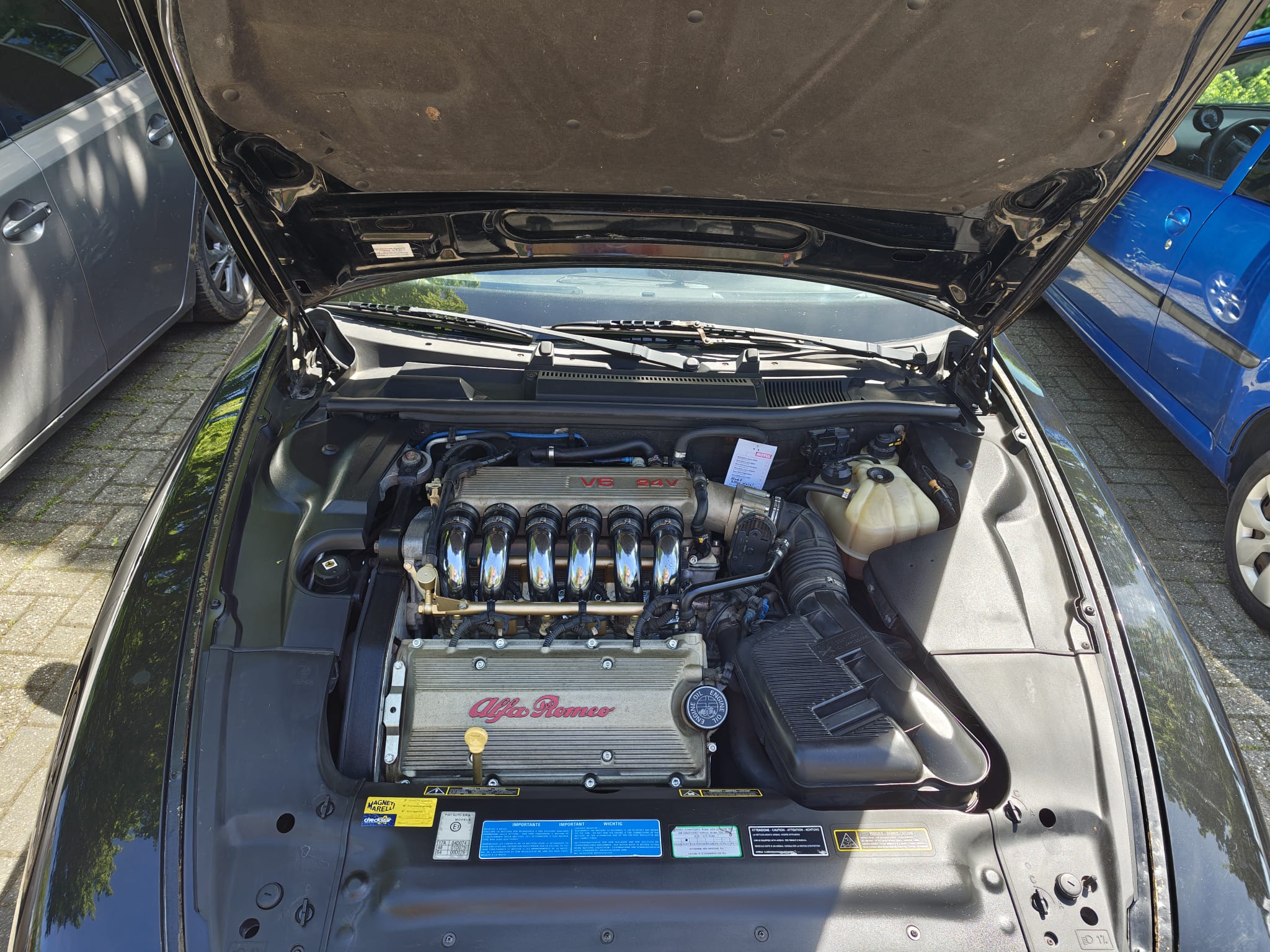
Why the Busso V6 is a Future Classic
The case for preservation and appreciation
By Admin
The End of an Era
When the last Busso V6 rolled off the production line in 2005, it marked the end of a 26-year production run. More importantly, it marked the end of naturally aspirated, high-revving V6 engines in Alfa Romeo's lineup — and arguably, in the mainstream automotive world.
What Makes It Special
The Busso V6 is not the most powerful, the most efficient, or the most technologically advanced V6 ever made. But it might be the most soulful. Giuseppe Busso designed an engine that treats sound as a feature, not a byproduct. The intake manifold design, the firing order, the exhaust routing — everything conspires to create a vocal performance that no turbocharged engine can replicate.
Market Trends
Values of Busso-equipped Alfa Romeos are rising steadily. The GTV and Spider command the highest premiums, but the 166 remains undervalued. As awareness grows and supply dwindles, the 166 3.0 V6 represents perhaps the best entry point into Busso ownership.
The Preservation Imperative
These engines deserve preservation. Not in museums, but on roads. A Busso V6 that sits idle deteriorates faster than one driven regularly. The best way to honor Busso's legacy is to keep these engines running, maintained, and appreciated.